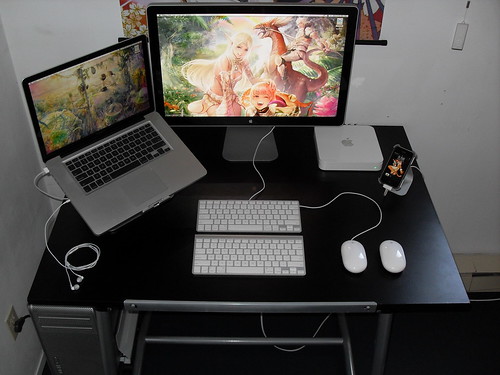
I want shopping for a desktop computer to be easy! I'd like to get a computer which neither exceeds my needs nor falls short. I don't want to overspend my budget either. What can I do to make sure I get the perfect device? Read this article in full, of course!
If you are going to be doing some upgrades to your desktop computer be sure to ground yourself before you begin working on your computer. A simple jolt of static electricity can be more than enough to fry your motherboard. If you do not ground yourself, you will be putting your whole system at risk.
Try to find computers that are being given away. Many more people use tablets and laptops these days so they'll be getting rid of their desktops for cheaper prices. These computers are usually in good working condition, but you should make sure first.
A boot check is important if your speeds are less than optimal. Run "ms config" from your start menu. This program lets you view the different programs that automatically start up when your computer does. See which ones you'll rarely use and decide if you want the machine. Your system will run quicker once you make this change.
Try to customize your purchase when ordering your computer. If you are ordering directly from the manufacturer, you should be able to upgrade individual components. For example, you should be able to get more storage space for a higher fee. You might be able to get a different video card by paying a bit more. Look into different companies to make sure you have this option.
Which processor you need depends on what you want to do with your computer. If you aren't sure, then you are likely better off with something cheaper and less powerful, such as an i3 or i5. If you are playing video games, go for something bigger like an i7 instead.
If you're planning to use your desktop computer as an entertainment device, don't ignore the speaker quality. A monitor with small speakers may give you a poor, tinny audio experience. You may be better off with buying a set of external speakers rather than relying on the speakers in your monitor.
Does the computer have enough memory? Memory is a key resource in a desktop computer. Are you planning on keeping a lot files on your hard drive? Will you need to store many photos or videos? You must answer these questions honestly in order to find the most suitable computer for your needs.
Do not miss out on your dream computer because you're waiting for the price to drop. Many people look out for deals when buying a desktop. But they wait and wait because they assume they can get a much better discount with time. Many companies know what type of prices other companies are charging, so the reality is that most discounts will look very much the same as the next discount.
Now you can make shopping for a new computer a piece of cake. You can get the perfect machine which is as simple or complex as you need it to be. Your budget will remain intact through the process as well. All thanks to reading this article in full!
Best Desktop Computers
Friday, July 18, 2014
Curious About Desktop Computers? Follow This Expert Advice!
When you go out and learn, you tend to make your life easier. For example, when you finish reading this article on advice about desktop computers, you'll find that shopping for one becomes a really easy job. All it takes is your commitment to reading all of the tips found below.
If you're looking for a new desktop computer, try QVC, HSN and other home shopping networks. They offer monthly payment arrangements which allow you to get a computer home for a fraction of the price. Be careful when you are doing this, however, make sure the total price is reasonable.
Look for a desktop computer that is affordable, with only the features you use and need. A lot of people look for machines with too many expensive add-ons that they will really never use. Be selective with the components and features to save some cash.
If you are considering a Mac but most of your programs are for a PC, you should think about purchasing Parallels for Mac. This will let you run the OS of a PC on your Mac. That means any PC software you have can be run on your Mac. You also will have to buy the right operating system for the PC as well.
Nobody should buy a desktop computer without thoroughly reviewing the warranty coverage provided with a given machine. Warranties of a year or more are ideal, and it really does pay to seek those valid for both software and hardware problems alike. This can really provide significant savings should something go wrong.
Computers have changed a lot, and pre-fabricated models are often cheaper than most laptops. You can get a very good computer for around four hundred dollars these days. Make sure the store you purchase the computer from is reputable and will stand behind the sale.
Though you may be intimidated by the prospect, it really does pay to verify that you have actually received the equipment for which you bargained. It is not uncommon for unscrupulous sellers to fudge the statistics on a computer's processor or memory. Therefore, it is important to perform a real inspection yourself.
To make sure that you purchase a desktop computer that will last, check out reviews online before you buy. There are many reputable websites that offer both professional and customer reviews of the most popular desktops. These reviews will give you an idea of which desktops are reliable and trouble free.
Always check the customer reviews of a computer model before you purchase it. Customer reviews are available on most online retailer websites. From these reviews, you can find out if a particular model you are interested in overheats, has speed issues or other problems that you do not want to deal with.
When you dedicate yourself to changing your life, it is done one task at a time. Whether you plan to eat right or educate yourself on how to buy a new desktop computer, you are truly investing in positivity. With this advice, your shopping trip will be as positive as can be!
If you're looking for a new desktop computer, try QVC, HSN and other home shopping networks. They offer monthly payment arrangements which allow you to get a computer home for a fraction of the price. Be careful when you are doing this, however, make sure the total price is reasonable.
Look for a desktop computer that is affordable, with only the features you use and need. A lot of people look for machines with too many expensive add-ons that they will really never use. Be selective with the components and features to save some cash.
If you are considering a Mac but most of your programs are for a PC, you should think about purchasing Parallels for Mac. This will let you run the OS of a PC on your Mac. That means any PC software you have can be run on your Mac. You also will have to buy the right operating system for the PC as well.
Nobody should buy a desktop computer without thoroughly reviewing the warranty coverage provided with a given machine. Warranties of a year or more are ideal, and it really does pay to seek those valid for both software and hardware problems alike. This can really provide significant savings should something go wrong.
Computers have changed a lot, and pre-fabricated models are often cheaper than most laptops. You can get a very good computer for around four hundred dollars these days. Make sure the store you purchase the computer from is reputable and will stand behind the sale.
Though you may be intimidated by the prospect, it really does pay to verify that you have actually received the equipment for which you bargained. It is not uncommon for unscrupulous sellers to fudge the statistics on a computer's processor or memory. Therefore, it is important to perform a real inspection yourself.
To make sure that you purchase a desktop computer that will last, check out reviews online before you buy. There are many reputable websites that offer both professional and customer reviews of the most popular desktops. These reviews will give you an idea of which desktops are reliable and trouble free.
Always check the customer reviews of a computer model before you purchase it. Customer reviews are available on most online retailer websites. From these reviews, you can find out if a particular model you are interested in overheats, has speed issues or other problems that you do not want to deal with.
When you dedicate yourself to changing your life, it is done one task at a time. Whether you plan to eat right or educate yourself on how to buy a new desktop computer, you are truly investing in positivity. With this advice, your shopping trip will be as positive as can be!
What Everyone Should Know About Desktop Computers
What is so difficult about buying a new desktop computer? Is it knowing the difference between an i3 and an i7? Is it understanding how RAM affects performance? If all of this sounds like Greek to you, check out the article below to learn what you need to know about buying a new computer.
If you are buying a desktop computer online, be sure to see it in person if you can. For example, if you are going to buy a Dell computer online, attempt to see it at a store near you before you buy it. You may find that the keys are too close together for comfort, or that the screen is not as big as you thought. If you're able to see a physical model, it will help make your decision easier.
Consider all-in-one displays desktop computer for your needs. This means that the computer has a large monitor with the majority of its components in the back. They come in many sizes and with and without touch input. They are easier to transport due to less wires. Many also have built-in webcams for easier video conferencing. They work great for entertainment purposes, too.
There are some things you should keep in mind if you want to buy a gaming desktop. To begin, your computer will need no less than 4 gigabytes of memory, a really good video card and a display with high resolution. You will also need special controllers and keyboards to boost the experience.
What will you be using your computer for? It is important to buy a computer that fits your needs. If you will be using your computer to play games, what you need from your computer will be different from what you will need if you are planning on using the computer to write papers for school.
Before you buy a desktop computer, ask yourself what you plan to do with it. Figure out if you are only going to use it for work, play, or both. You need to consider the programs and media that you need to use. Check the desktops that you want to ensure the sound cards and graphics cards are enough to support them.
If you really want to save money on a new computer, check out refurbished models or open box systems. These can typically be had at deep discounts or even fractions of the retail price of a new one. Do check out what kind of warranty and certification they come with. Ideally, you want a refurbished system that has been checked out twice.
Buying a refurbished desktop computer can help you save a lot of money. A refurbished computer has been returned to the manufacturer, where it has been examined for any flaws. The manufacturer can't legally resell the computer has new, however. The refurbished computer will perform just as well as a new machine, but the cost will be considerably less!
Most people have no idea what the difference is between a motherboard and a hard drive. In fact, they probably have never even seen the inside of a desktop computer before. You have taken the initiative to learn about shopping for a computer, and now you are prepared to get the job done right.
If you are buying a desktop computer online, be sure to see it in person if you can. For example, if you are going to buy a Dell computer online, attempt to see it at a store near you before you buy it. You may find that the keys are too close together for comfort, or that the screen is not as big as you thought. If you're able to see a physical model, it will help make your decision easier.
Consider all-in-one displays desktop computer for your needs. This means that the computer has a large monitor with the majority of its components in the back. They come in many sizes and with and without touch input. They are easier to transport due to less wires. Many also have built-in webcams for easier video conferencing. They work great for entertainment purposes, too.
There are some things you should keep in mind if you want to buy a gaming desktop. To begin, your computer will need no less than 4 gigabytes of memory, a really good video card and a display with high resolution. You will also need special controllers and keyboards to boost the experience.
What will you be using your computer for? It is important to buy a computer that fits your needs. If you will be using your computer to play games, what you need from your computer will be different from what you will need if you are planning on using the computer to write papers for school.
Before you buy a desktop computer, ask yourself what you plan to do with it. Figure out if you are only going to use it for work, play, or both. You need to consider the programs and media that you need to use. Check the desktops that you want to ensure the sound cards and graphics cards are enough to support them.
If you really want to save money on a new computer, check out refurbished models or open box systems. These can typically be had at deep discounts or even fractions of the retail price of a new one. Do check out what kind of warranty and certification they come with. Ideally, you want a refurbished system that has been checked out twice.
Buying a refurbished desktop computer can help you save a lot of money. A refurbished computer has been returned to the manufacturer, where it has been examined for any flaws. The manufacturer can't legally resell the computer has new, however. The refurbished computer will perform just as well as a new machine, but the cost will be considerably less!
Most people have no idea what the difference is between a motherboard and a hard drive. In fact, they probably have never even seen the inside of a desktop computer before. You have taken the initiative to learn about shopping for a computer, and now you are prepared to get the job done right.
A Guide For Those Wishing To Get Into Desktop Computers
Technology today is exploding with growth, and one area that has gained tremendously is desktop computers. With the advent of the internet came a boon in desktop computer sales, but there is more to know about them other than just using it to go online. The following article has many great tips on all things desktop computers.
Find someone who is getting rid of their desktop. Many more people use tablets and laptops these days so they'll be getting rid of their desktops for cheaper prices. Typically, these computers work fine, but check it out before buying it.
Run a boot check if your computer runs slow. Begin at the start menu, and pick "ms config". This gives the ability to look through all the programs that are set to start up as soon as the computer turns on. Look for those that are infrequently used and change the settings so that they are not launched at every boot. This should speed up your computer.
When building your own desktop computer be careful which products you use. Some motherboards are incompatible with specific brands of processor. Some RAM units only work with particular motherboards. When buying the individual computer components it is important they are compatible with each other. This is sure to save money, time and hassle when you build a computer of your own.
Consider all-in-one displays desktop computer for your needs. This means that the computer has a large monitor with the majority of its components in the back. They come in many sizes and with and without touch input. They are easier to transport due to less wires. Many also have built-in webcams for easier video conferencing. They work great for entertainment purposes, too.
If you plan on storing a lot of music or videos, make sure you get a hard drive that will cover your needs. In general, the more hard drive space that you can get, the better off you are. That is, unless you only write emails and surf the web on your desktop. You need the space especially if you shoot video.
You need to know what you're going to use a computer for, prior to deciding which one to purchase. Which computer you buy is going to have to do with what operations and activities you will be doing. Gaming requirements are greater than simple Internet surfing and bill paying.
If you want to save money on your desktop computer, look into buying a refurbished model. These computers are ones that have been fixed at the factory and are often offered at a steep discount. These are usually offered by the computer brands on their own websites, so take a look before you buy a new computer.
As you can see after reading the above article, there is a lot more to desktop computers than using it to surf the internet. With the ever-changing technology, desktop computers are changing day-by-day. Thankfully you came across a great article that has simplified desktop computers in way that makes it easy to understand.
Find someone who is getting rid of their desktop. Many more people use tablets and laptops these days so they'll be getting rid of their desktops for cheaper prices. Typically, these computers work fine, but check it out before buying it.
Run a boot check if your computer runs slow. Begin at the start menu, and pick "ms config". This gives the ability to look through all the programs that are set to start up as soon as the computer turns on. Look for those that are infrequently used and change the settings so that they are not launched at every boot. This should speed up your computer.
When building your own desktop computer be careful which products you use. Some motherboards are incompatible with specific brands of processor. Some RAM units only work with particular motherboards. When buying the individual computer components it is important they are compatible with each other. This is sure to save money, time and hassle when you build a computer of your own.
Consider all-in-one displays desktop computer for your needs. This means that the computer has a large monitor with the majority of its components in the back. They come in many sizes and with and without touch input. They are easier to transport due to less wires. Many also have built-in webcams for easier video conferencing. They work great for entertainment purposes, too.
If you plan on storing a lot of music or videos, make sure you get a hard drive that will cover your needs. In general, the more hard drive space that you can get, the better off you are. That is, unless you only write emails and surf the web on your desktop. You need the space especially if you shoot video.
You need to know what you're going to use a computer for, prior to deciding which one to purchase. Which computer you buy is going to have to do with what operations and activities you will be doing. Gaming requirements are greater than simple Internet surfing and bill paying.
If you want to save money on your desktop computer, look into buying a refurbished model. These computers are ones that have been fixed at the factory and are often offered at a steep discount. These are usually offered by the computer brands on their own websites, so take a look before you buy a new computer.
As you can see after reading the above article, there is a lot more to desktop computers than using it to surf the internet. With the ever-changing technology, desktop computers are changing day-by-day. Thankfully you came across a great article that has simplified desktop computers in way that makes it easy to understand.
Everything You Need To Know About Desktop Computers
Many people today dream of having their own computer, but don't realize it can easily become a reality with the right knowledge. The tips below are a course in buying a desktop computer you can afford. If you make use of all the advice found here, you'll be computing in no time.
Consider the disk burning capabilities of any desktop computers that you are looking at. Consider whether you plan to just watch media or to make your own CDs and DVDs. If you plan on doing the latter, make sure sure the computer that you want supports it. Not all desktops come with these capabilities.
If your desktop computer runs slow, perform a boot check. Open "MS Config" in the Start menu. From here, examine which programs are loading when the computer boots. Do not start up programs that are unnecessary. That ought to make your system a bit faster.
Try building your own computer. Instead of buying a computer ready-made from a big company, try building your own computer. This sounds complicated, but you can get help online. You'll find that building your own computer helps you save money, and allows you to create something in line with your needs.
You should buy a desktop computer that has only the features you need. People tend to buy the latest, greatest machine which has features they just don't need. To save yourself some money, be selective about components and features.
Talk to friends and family about wanting a desktop computer. One or more of them might have been wanting to buy a new computer, and when you tell them, they have an incentive to do so. Take in old computers, which usually work well. A lot of people just have computers sitting around, so find out if your loved ones have a computer they are willing to give you.
If you plan on storing a lot of music or videos, make sure you get a hard drive that will cover your needs. In general, the more hard drive space that you can get, the better off you are. That is, unless you only write emails and surf the web on your desktop. You need the space especially if you shoot video.
When purchasing a desktop, don't only think of your needs today, think about your future needs too. You'll likely have this desktop for multiple years, so if you're thinking about getting into photography or video work, you'll want to get a computer that'll handle your future work. It's more of an investment up front, but it will save you from buying another computer too soon after this purchase.
When buying a desktop computer with the intention of creating DVDs or CDs of your own, take care to verify that the model you are considering has an integrated disc burner. While most new versions will have this feature, failing to discover that a particular model does not can lead to great frustration. Try to save yourself the aggravation in advance.
Whether you want a desktop to reach out to family abroad or to start a new career, you need to buy the best for your buck. That means using each tip here one by one to ensure your purchase is a good one. In the end, the result will be the computer of your dreams.
Consider the disk burning capabilities of any desktop computers that you are looking at. Consider whether you plan to just watch media or to make your own CDs and DVDs. If you plan on doing the latter, make sure sure the computer that you want supports it. Not all desktops come with these capabilities.
If your desktop computer runs slow, perform a boot check. Open "MS Config" in the Start menu. From here, examine which programs are loading when the computer boots. Do not start up programs that are unnecessary. That ought to make your system a bit faster.
Try building your own computer. Instead of buying a computer ready-made from a big company, try building your own computer. This sounds complicated, but you can get help online. You'll find that building your own computer helps you save money, and allows you to create something in line with your needs.
You should buy a desktop computer that has only the features you need. People tend to buy the latest, greatest machine which has features they just don't need. To save yourself some money, be selective about components and features.
Talk to friends and family about wanting a desktop computer. One or more of them might have been wanting to buy a new computer, and when you tell them, they have an incentive to do so. Take in old computers, which usually work well. A lot of people just have computers sitting around, so find out if your loved ones have a computer they are willing to give you.
If you plan on storing a lot of music or videos, make sure you get a hard drive that will cover your needs. In general, the more hard drive space that you can get, the better off you are. That is, unless you only write emails and surf the web on your desktop. You need the space especially if you shoot video.
When purchasing a desktop, don't only think of your needs today, think about your future needs too. You'll likely have this desktop for multiple years, so if you're thinking about getting into photography or video work, you'll want to get a computer that'll handle your future work. It's more of an investment up front, but it will save you from buying another computer too soon after this purchase.
When buying a desktop computer with the intention of creating DVDs or CDs of your own, take care to verify that the model you are considering has an integrated disc burner. While most new versions will have this feature, failing to discover that a particular model does not can lead to great frustration. Try to save yourself the aggravation in advance.
Whether you want a desktop to reach out to family abroad or to start a new career, you need to buy the best for your buck. That means using each tip here one by one to ensure your purchase is a good one. In the end, the result will be the computer of your dreams.
When You Seek Desktop Computer Information, This Article Is It
Trying to figure out which desktop computer to buy can be quite difficult. You might not know about all the current specs and other features that are available right now. If you need some help, this article is going to provide you with some necessary information in order to guide you through the process.
Try building your own computer. Instead of buying a computer ready-made from a big company, try building your own computer. This sounds complicated, but you can get help online. You'll find that building your own computer helps you save money, and allows you to create something in line with your needs.
What will you be using your computer for? It is important to buy a computer that fits your needs. If you will be using your computer to play games, what you need from your computer will be different from what you will need if you are planning on using the computer to write papers for school.
If you want to run many programs at once, you'll need at least 4GB of RAM. If you just want to do simple tasks, less than 4GB will be okay. Want to play video games? Look for 10GB and above to ensure your games aren't lagged and hard to play.
Do not allow yourself to get sucked into the price drop game. Many people look out for deals when buying a desktop. This becomes an issue when you just wait for better deals to come. Typically, though, the price difference in the deals will be minimal, so you should grab one soon after you find a deal that's right for you
Set a timeframe for when you want to buy a computer instead of choosing one specific day you intend to make the purchase. If you give yourself a window of three or four weeks, you have time to keep an eye on flash sales, discounts and even new refurbished listings on websites for maximum savings.
When buying a used computer, be sure to take it apart to check all of its components. Look at the ports, the case and the boards inside to see if anything obvious is wrong. Don't know what to look for? Check out Google Images before you go to the seller.
If you are buying used, be sure that the computer comes with the original CDs for all installed software along with any key codes necessary for activating said software. If you don't get these things, you may be in trouble if you ever have to format the system and reinstall programs.
A cheap sub $300 desktop may sound great, but do your homework before buying. Are the specs good enough for your needs? Often these entry-level machines are underpowered. Is the case made to be durable? You'll often see cheaper desktops with poor quality plastics and hinges. The $300 may sound nice, but really you are buying something that may only last a year.
How do you feel about your knowledge about personal desktop computers now? Use what you've learned to help you make a smart purchasing decision. There are many brands and different types of desktop computers, so now that you know more about them you can decide which one works for you.
Try building your own computer. Instead of buying a computer ready-made from a big company, try building your own computer. This sounds complicated, but you can get help online. You'll find that building your own computer helps you save money, and allows you to create something in line with your needs.
What will you be using your computer for? It is important to buy a computer that fits your needs. If you will be using your computer to play games, what you need from your computer will be different from what you will need if you are planning on using the computer to write papers for school.
If you want to run many programs at once, you'll need at least 4GB of RAM. If you just want to do simple tasks, less than 4GB will be okay. Want to play video games? Look for 10GB and above to ensure your games aren't lagged and hard to play.
Do not allow yourself to get sucked into the price drop game. Many people look out for deals when buying a desktop. This becomes an issue when you just wait for better deals to come. Typically, though, the price difference in the deals will be minimal, so you should grab one soon after you find a deal that's right for you
Set a timeframe for when you want to buy a computer instead of choosing one specific day you intend to make the purchase. If you give yourself a window of three or four weeks, you have time to keep an eye on flash sales, discounts and even new refurbished listings on websites for maximum savings.
When buying a used computer, be sure to take it apart to check all of its components. Look at the ports, the case and the boards inside to see if anything obvious is wrong. Don't know what to look for? Check out Google Images before you go to the seller.
If you are buying used, be sure that the computer comes with the original CDs for all installed software along with any key codes necessary for activating said software. If you don't get these things, you may be in trouble if you ever have to format the system and reinstall programs.
A cheap sub $300 desktop may sound great, but do your homework before buying. Are the specs good enough for your needs? Often these entry-level machines are underpowered. Is the case made to be durable? You'll often see cheaper desktops with poor quality plastics and hinges. The $300 may sound nice, but really you are buying something that may only last a year.
How do you feel about your knowledge about personal desktop computers now? Use what you've learned to help you make a smart purchasing decision. There are many brands and different types of desktop computers, so now that you know more about them you can decide which one works for you.
Desktop Computers: Learn All You Can Today
Today is the day to buy a new computer. What do you do next? Do you know what to look for in a desktop? Do you understand the purchasing process? You can feel confident in your hunt for a new computer when you follow this advice.
Carefully choose the components if you build your desktop. There could be compatibility issues with the motherboards and processors. Also, not all RAM units are compatible with all motherboards. When you buy the items, verify that they will work together. This will cause less headaches when you build your own computer.
Be certain to get a warranty on any computer you purchase. That way, you are covered should something fail. If the warranty is still good, you should be able to return it to the store to get it fixed, or get one with the same model number.
When purchasing a desktop, don't only think of your needs today, think about your future needs too. You'll likely have this desktop for multiple years, so if you're thinking about getting into photography or video work, you'll want to get a computer that'll handle your future work. It's more of an investment up front, but it will save you from buying another computer too soon after this purchase.
If you aren't a gamer, don't get suckered into gaming desktop computers. These computers have been souped up with the biggest and baddest video cards, sound cards, and processors. If all you do is email and light photography, this power is major overkill. You are better spending your money on a lesser computer and investing in some peripherals.
Before you buy a desktop computer, ask yourself what you plan to do with it. Figure out if you are only going to use it for work, play, or both. You need to consider the programs and media that you need to use. Check the desktops that you want to ensure the sound cards and graphics cards are enough to support them.
Which processor you need depends on what you want to do with your computer. If you aren't sure, then you are likely better off with something cheaper and less powerful, such as an i3 or i5. If you are playing video games, go for something bigger like an i7 instead.
Though you may be intimidated by the prospect, it really does pay to verify that you have actually received the equipment for which you bargained. It is not uncommon for unscrupulous sellers to fudge the statistics on a computer's processor or memory. Therefore, it is important to perform a real inspection yourself.
Deciding between a Mac and a PC can be a hard choice. Note that changing operating systems is a new learning experience and can take a while to master. If you already know one of them well, your best bet is to stick with that system in the future, too.
Print this article out to have it for reference. With this advice, you won't be taken advantage of. Meaning you should come out with a great computer, and be really satisfied with the deal you got.
Carefully choose the components if you build your desktop. There could be compatibility issues with the motherboards and processors. Also, not all RAM units are compatible with all motherboards. When you buy the items, verify that they will work together. This will cause less headaches when you build your own computer.
Be certain to get a warranty on any computer you purchase. That way, you are covered should something fail. If the warranty is still good, you should be able to return it to the store to get it fixed, or get one with the same model number.
When purchasing a desktop, don't only think of your needs today, think about your future needs too. You'll likely have this desktop for multiple years, so if you're thinking about getting into photography or video work, you'll want to get a computer that'll handle your future work. It's more of an investment up front, but it will save you from buying another computer too soon after this purchase.
If you aren't a gamer, don't get suckered into gaming desktop computers. These computers have been souped up with the biggest and baddest video cards, sound cards, and processors. If all you do is email and light photography, this power is major overkill. You are better spending your money on a lesser computer and investing in some peripherals.
Before you buy a desktop computer, ask yourself what you plan to do with it. Figure out if you are only going to use it for work, play, or both. You need to consider the programs and media that you need to use. Check the desktops that you want to ensure the sound cards and graphics cards are enough to support them.
Which processor you need depends on what you want to do with your computer. If you aren't sure, then you are likely better off with something cheaper and less powerful, such as an i3 or i5. If you are playing video games, go for something bigger like an i7 instead.
Though you may be intimidated by the prospect, it really does pay to verify that you have actually received the equipment for which you bargained. It is not uncommon for unscrupulous sellers to fudge the statistics on a computer's processor or memory. Therefore, it is important to perform a real inspection yourself.
Deciding between a Mac and a PC can be a hard choice. Note that changing operating systems is a new learning experience and can take a while to master. If you already know one of them well, your best bet is to stick with that system in the future, too.
Print this article out to have it for reference. With this advice, you won't be taken advantage of. Meaning you should come out with a great computer, and be really satisfied with the deal you got.
PC Information That All Users Should Have
When it comes to desktop computers, people often have many questions. There have been a ton of technological innovations in the past years concerning both hardware and software, so this article is going to help you sort things out in order to get the right computer for you. Continue reading to learn some great tips about desktop computers.
If you're looking for a new desktop computer, try QVC, HSN and other home shopping networks. They offer monthly payment arrangements which allow you to get a computer home for a fraction of the price. Be careful when you are doing this, however, make sure the total price is reasonable.
You should buy a desktop computer that has only the features you need. Some people will buy expensive computers that are expensive only because of components that they won't really use. Know precisely what you need and save money buy buying a computer that only delivers these.
A good way to decide what features you want in a new computer is to try out different models before you buy. Many stores have a large selection of models set up and it is a wise idea to spend some time trying them out. You can see which keyboard is most comfortable and which screen size is right for your needs.
Talk to friends and family about wanting a desktop computer. One or more of them might have been wanting to buy a new computer, and when you tell them, they have an incentive to do so. Take in old computers, which usually work well. A lot of people just have computers sitting around, so find out if your loved ones have a computer they are willing to give you.
To get the perfect desktop, create a list of the things you will probably use it for. The type of computer you need will depend on the type of tasks you perform on a regular basis. If you play games a lot, your requirements differ from the typical user.
If you favor a certain brand of desktop news, do your research on it and stay current with upcoming releases. The last thing you want to do is buy a new computer from the bran only to have a new release that you want come out not too long after it. Staying current, doing research, and waiting can land you some great deals with certain brands of desktops.
When it comes time to purchase a desktop computer, shop around. You may be surprised to find stores often have sales on computers, and sometimes, the computer you want will be at a much lower price at one store versus another store. You may even choose to look online to find which of your area stores are having sales.
You wanted to find out more about desktop computers, and this article has helped you with your knowledge base. It's time to use that knowledge to help guide you to making the best purchasing decision. With so much to choose from, it can seem overwhelming, but the tips you've read should help you out.
If you're looking for a new desktop computer, try QVC, HSN and other home shopping networks. They offer monthly payment arrangements which allow you to get a computer home for a fraction of the price. Be careful when you are doing this, however, make sure the total price is reasonable.
You should buy a desktop computer that has only the features you need. Some people will buy expensive computers that are expensive only because of components that they won't really use. Know precisely what you need and save money buy buying a computer that only delivers these.
A good way to decide what features you want in a new computer is to try out different models before you buy. Many stores have a large selection of models set up and it is a wise idea to spend some time trying them out. You can see which keyboard is most comfortable and which screen size is right for your needs.
Talk to friends and family about wanting a desktop computer. One or more of them might have been wanting to buy a new computer, and when you tell them, they have an incentive to do so. Take in old computers, which usually work well. A lot of people just have computers sitting around, so find out if your loved ones have a computer they are willing to give you.
To get the perfect desktop, create a list of the things you will probably use it for. The type of computer you need will depend on the type of tasks you perform on a regular basis. If you play games a lot, your requirements differ from the typical user.
If you favor a certain brand of desktop news, do your research on it and stay current with upcoming releases. The last thing you want to do is buy a new computer from the bran only to have a new release that you want come out not too long after it. Staying current, doing research, and waiting can land you some great deals with certain brands of desktops.
When it comes time to purchase a desktop computer, shop around. You may be surprised to find stores often have sales on computers, and sometimes, the computer you want will be at a much lower price at one store versus another store. You may even choose to look online to find which of your area stores are having sales.
You wanted to find out more about desktop computers, and this article has helped you with your knowledge base. It's time to use that knowledge to help guide you to making the best purchasing decision. With so much to choose from, it can seem overwhelming, but the tips you've read should help you out.
Finding The Right Machine For You: Desktop Computer Buying Tips And Tricks
There are more choices available when shopping for a desktop computer than ever before. With so many different hardware options, styles, colors and brands to choose from, shopping for a desktop computer can be a little overwhelming. Use the helpful advice below to help organize your thoughts and find the best computer for your needs.
Join an online group for people who know about computers. They can help you find a desktop computer that suits your needs. And because they know computers, they can help you avoid the brands that will not serve you well. Try to soak up as much information as you can, and you'll get a computer you can be proud of.
When buying a desktop computer, you need to know what you plan to use it for. Knowing what you'll use the computer for is important, because it dictates how much storage space you may need, the kind of processing speed you need and the kind of monitor you need. When you know what you need to use the computer for, you're going to find it easier to find what you need.
Take an audit of your uses for a desktop computer before buying one. This is important so that you can really understand how much power you really need. More power means more money. If super powerful desktop won't be of any real use to you, why shell out the additional funds?
If you want to save money when purchasing a desktop computer, consider buying a refurbished model. You can look at the websites of major computer manufacturers such as HP or Dell, where you will find great deals on computers that have been returned to the company, fixed and sold at a discount rate.
Be sure to check the web prior to shelling out money at a brick and mortar tech store. Often the prices you'll find on the Internet will be a lot less expensive than what you'll see in stores. If you can wait the additional few days for your desktop, you can save a lot of money.
Don't overlook the quality of the desktop computer monitor when considering your purchase. The specs of the actual computer may be amazing, but if the monitor is poor, your overall experience will be bad too. Remember, it's the monitor that you'll have the most interaction with, so be willing to spend more to get one you like.
When you're looking for a new desktop computer, make sure you remember the accessories. You may have found a great monitor and the computer may be equipped with a fast processor, but remember things like your keyboard and mouse. Your mouse and keyboard contribute to your computing experience, so make sure that you spend time picking out the best ones.
When you are shopping for a new desktop computer, you cannot just walk in a store, choose a computer and expect to be happy with the results. There are many things you need to research about computers before you make your decision. Use these desktop computer purchasing tips to find the best computer for your needs.
Join an online group for people who know about computers. They can help you find a desktop computer that suits your needs. And because they know computers, they can help you avoid the brands that will not serve you well. Try to soak up as much information as you can, and you'll get a computer you can be proud of.
When buying a desktop computer, you need to know what you plan to use it for. Knowing what you'll use the computer for is important, because it dictates how much storage space you may need, the kind of processing speed you need and the kind of monitor you need. When you know what you need to use the computer for, you're going to find it easier to find what you need.
Take an audit of your uses for a desktop computer before buying one. This is important so that you can really understand how much power you really need. More power means more money. If super powerful desktop won't be of any real use to you, why shell out the additional funds?
If you want to save money when purchasing a desktop computer, consider buying a refurbished model. You can look at the websites of major computer manufacturers such as HP or Dell, where you will find great deals on computers that have been returned to the company, fixed and sold at a discount rate.
Be sure to check the web prior to shelling out money at a brick and mortar tech store. Often the prices you'll find on the Internet will be a lot less expensive than what you'll see in stores. If you can wait the additional few days for your desktop, you can save a lot of money.
Don't overlook the quality of the desktop computer monitor when considering your purchase. The specs of the actual computer may be amazing, but if the monitor is poor, your overall experience will be bad too. Remember, it's the monitor that you'll have the most interaction with, so be willing to spend more to get one you like.
When you're looking for a new desktop computer, make sure you remember the accessories. You may have found a great monitor and the computer may be equipped with a fast processor, but remember things like your keyboard and mouse. Your mouse and keyboard contribute to your computing experience, so make sure that you spend time picking out the best ones.
When you are shopping for a new desktop computer, you cannot just walk in a store, choose a computer and expect to be happy with the results. There are many things you need to research about computers before you make your decision. Use these desktop computer purchasing tips to find the best computer for your needs.
Need Some Advice About Desktops? Read On.
There can be little doubt that buying an appropriate desktop computer to fit your needs can be a fairly challenging experience. However, by simply taking a few hours to study up on the subject, there should be no need to worry. Continue reading to get the facts you need today.
If you are going to be doing some upgrades to your desktop computer be sure to ground yourself before you begin working on your computer. A simple jolt of static electricity can be more than enough to fry your motherboard. If you do not ground yourself, you will be putting your whole system at risk.
Try building your own computer. Instead of buying a computer ready-made from a big company, try building your own computer. This sounds complicated, but you can get help online. You'll find that building your own computer helps you save money, and allows you to create something in line with your needs.
Check out review sites to learn all you can. You can easily get overwhelmed with your options when looking for a computer. If you look for quality reviews written by technical professionals, you will be able to get the one that will perform as you expect it to.
Talk to friends and family about wanting a desktop computer. One or more of them might have been wanting to buy a new computer, and when you tell them, they have an incentive to do so. Take in old computers, which usually work well. A lot of people just have computers sitting around, so find out if your loved ones have a computer they are willing to give you.
Consider all-in-one displays desktop computer for your needs. This means that the computer has a large monitor with the majority of its components in the back. They come in many sizes and with and without touch input. They are easier to transport due to less wires. Many also have built-in webcams for easier video conferencing. They work great for entertainment purposes, too.
Don't overlook the quality of the desktop computer monitor when considering your purchase. The specs of the actual computer may be amazing, but if the monitor is poor, your overall experience will be bad too. Remember, it's the monitor that you'll have the most interaction with, so be willing to spend more to get one you like.
Be certain to get a warranty on any computer you purchase. That's necessary, in case you have a problem with the software or the hardware. If the warranty is still good, you should be able to return it to the store to get it fixed, or get one with the same model number.
Before you buy a desktop computer, ask yourself what you plan to do with it. Figure out if you are only going to use it for work, play, or both. You need to consider the programs and media that you need to use. Check the desktops that you want to ensure the sound cards and graphics cards are enough to support them.
Lots of people shudder at the thought of shopping for a new desktop computer, because they fear they will not get a good deal or find the equipment they truly require. But, by reading over the advice found above, anyone should have the ability to do a good job. Happy computing!
If you are going to be doing some upgrades to your desktop computer be sure to ground yourself before you begin working on your computer. A simple jolt of static electricity can be more than enough to fry your motherboard. If you do not ground yourself, you will be putting your whole system at risk.
Try building your own computer. Instead of buying a computer ready-made from a big company, try building your own computer. This sounds complicated, but you can get help online. You'll find that building your own computer helps you save money, and allows you to create something in line with your needs.
Check out review sites to learn all you can. You can easily get overwhelmed with your options when looking for a computer. If you look for quality reviews written by technical professionals, you will be able to get the one that will perform as you expect it to.
Talk to friends and family about wanting a desktop computer. One or more of them might have been wanting to buy a new computer, and when you tell them, they have an incentive to do so. Take in old computers, which usually work well. A lot of people just have computers sitting around, so find out if your loved ones have a computer they are willing to give you.
Consider all-in-one displays desktop computer for your needs. This means that the computer has a large monitor with the majority of its components in the back. They come in many sizes and with and without touch input. They are easier to transport due to less wires. Many also have built-in webcams for easier video conferencing. They work great for entertainment purposes, too.
Don't overlook the quality of the desktop computer monitor when considering your purchase. The specs of the actual computer may be amazing, but if the monitor is poor, your overall experience will be bad too. Remember, it's the monitor that you'll have the most interaction with, so be willing to spend more to get one you like.
Be certain to get a warranty on any computer you purchase. That's necessary, in case you have a problem with the software or the hardware. If the warranty is still good, you should be able to return it to the store to get it fixed, or get one with the same model number.
Before you buy a desktop computer, ask yourself what you plan to do with it. Figure out if you are only going to use it for work, play, or both. You need to consider the programs and media that you need to use. Check the desktops that you want to ensure the sound cards and graphics cards are enough to support them.
Lots of people shudder at the thought of shopping for a new desktop computer, because they fear they will not get a good deal or find the equipment they truly require. But, by reading over the advice found above, anyone should have the ability to do a good job. Happy computing!
Subscribe to:
Posts (Atom)